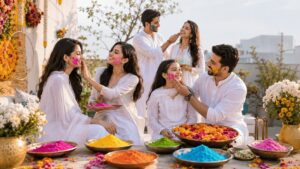
India is known for its vibrant culture, diverse traditions, and colorful festivals. From the joyous celebration of Holi to the sparkling lights of Diwali, every festival brings people together to celebrate happiness, positivity, and togetherness. Colors play a powerful role in many of these celebrations, symbolizing joy, prosperity, and new beginnings.
However, as awareness about environmental sustainability and personal health grows, many people are now choosing organic colours instead of chemical-based alternatives. Celebrating festivals naturally with eco-friendly colors, herbal gulal, and plant-based pigments allows people to enjoy traditions while protecting both their health and the environment.
In this blog, we explore how organic colours can elevate Indian festivals, making celebrations safer, more meaningful, and environmentally responsible.
The Cultural Importance of Colours in Indian Festivals
Colours have always been deeply connected with Indian traditions. Different colours symbolize different emotions and spiritual meanings. Festivals use colours to represent positivity, celebration, and renewal.
For example:
- Red symbolizes love, energy, and prosperity
- Yellow represents happiness and knowledge
- Green stands for growth and harmony
- Blue reflects calmness and devotion
- Pink signifies joy and celebration
These vibrant shades can be seen across decorations, rangoli designs, clothes, and festival powders. During Holi, people throw coloured powders and water at each other to spread happiness. During Diwali, colourful rangoli patterns and decorations enhance the festive atmosphere.
Using natural and organic colours helps preserve this cultural beauty while avoiding harmful chemical exposure.
What Are Organic Colours?
Organic colours are natural pigments derived from plants, flowers, herbs, and other eco-friendly ingredients. Unlike synthetic colours, they do not contain harmful chemicals such as heavy metals, artificial dyes, or toxic compounds.
Common ingredients used in organic colours include:
- Turmeric for yellow shades
- Beetroot for pink and red colours
- Indigo plants for blue pigments
- Spinach and herbs for green colours
- Flower extracts for natural fragrance and colour
These colours are biodegradable, skin-friendly, and safe for both humans and nature.
Why Chemical Colours Are Harmful
In the past, festival colours were traditionally made using natural ingredients. However, with industrial manufacturing, synthetic colours became widely available. Many of these colours contain toxic chemicals, heavy metals, and artificial dyes that can cause health and environmental issues.
Potential problems with chemical colours include:
- Skin irritation and allergies
- Eye infections and respiratory problems
- Hair damage
- Environmental pollution
- Harm to animals and plants
During large celebrations like Holi, chemical colours can contaminate soil and water, leading to long-term environmental damage.
Switching to organic festival colours is a safer and more responsible way to celebrate.
Celebrating Holi with Organic Colours
The festival of Holi is perhaps the most colorful celebration in India. Known as the festival of colours, it marks the arrival of spring and symbolizes the victory of good over evil.
During Holi, people throw coloured powders called gulal and splash water to celebrate joy and unity. Using organic Holi colours makes this celebration even more enjoyable.
Benefits of Organic Holi Colours
-
Skin-Friendly and Safe
Herbal colours are gentle on skin and reduce the risk of allergies. -
Safe for Children
Kids can play freely without exposure to toxic chemicals. -
Eco-Friendly
Natural colours are biodegradable and do not pollute the environment. -
Easy to Wash Off
Organic colours are easier to remove from skin, clothes, and surfaces. -
Pleasant Natural Fragrance
Many natural colours contain flower extracts that add a refreshing scent.
By choosing herbal gulal and eco-friendly Holi colours, families can celebrate the festival responsibly while maintaining its vibrant spirit.
Natural Colours in Other Indian Festivals
While Holi is famous for coloured powders, many other Indian festivals also use colours in decorations, rituals, and celebrations.
Rangoli During Diwali
During Diwali, homes are decorated with beautiful rangoli designs made using coloured powders, flower petals, or rice flour. Using organic rangoli colours ensures that decorations remain safe for the environment.
Natural rangoli colours can be made using:
- Flower petals
- Turmeric powder
- Rice flour
- Natural pigments
These decorations symbolize prosperity, positivity, and welcoming good fortune into the home.
Cultural Celebrations and Community Events
Many Indian festivals involve community gatherings, cultural performances, and temple celebrations. Organic colours can enhance these events by ensuring safe participation for people of all ages.
Festivals such as:
- Navratri
- Makar Sankranti
- Janmashtami
often feature colourful decorations and festive themes. Using natural colours keeps these celebrations both vibrant and eco-friendly.
Environmental Benefits of Organic Festival Colours
Switching to organic colours has a significant positive impact on the environment.
Reduced Pollution
Chemical colours often contain heavy metals like lead and mercury, which contaminate soil and water. Organic colours are biodegradable and do not cause pollution.
Safer for Wildlife
Animals and birds may accidentally come into contact with festival colours. Natural ingredients ensure they are not harmed.
Sustainable Celebrations
Organic colours are usually produced using sustainable farming and natural resources, supporting eco-friendly production practices.
Lower Carbon Footprint
Many organic colour manufacturers use environmentally responsible processes, reducing energy consumption and chemical waste.
By choosing eco-friendly colours, people contribute to sustainable festival celebrations.
Tips for Celebrating Festivals with Organic Colours
To make your celebrations safer and more environmentally friendly, consider these simple tips:
Choose Certified Organic Colours
Always buy festival colours from trusted sources that clearly label them as natural or herbal.
Support Eco-Friendly Brands
Choose companies that focus on sustainable production and biodegradable materials.
Encourage Community Awareness
Educate friends, family, and community members about the benefits of using non-toxic festival colours.
Use Natural Decorations
In addition to colours, decorate with flowers, diyas, and natural materials to enhance the festive atmosphere.
Reduce Water Waste
During celebrations like Holi, try to use water responsibly and focus on dry colours when possible.
The Growing Trend of Eco-Friendly Festivals
Across India and around the world, more people are embracing eco-conscious celebrations. Schools, housing societies, and organizations are promoting green festivals that prioritize sustainability.
This growing trend includes:
-
Organic Holi colour events
-
Eco-friendly Diwali decorations
-
Plastic-free festival celebrations
-
Natural rangoli competitions
-
Community awareness campaigns
These initiatives encourage people to celebrate traditions while protecting the environment for future generations.
A Natural Way to Celebrate Traditions
India’s festivals are known for their warmth, joy, and vibrant colours. By choosing organic colours and natural festival products, people can preserve the beauty of these traditions while promoting health and sustainability.
From the colourful celebrations of Holi to the glowing lights and rangoli of Diwali, natural colours enhance the festive experience without harming people or nature.
Conclusion
Celebrating festivals naturally is more than just a trend—it is a step toward a healthier and more sustainable future. Organic colours provide a safe, eco-friendly alternative to chemical-based festival products while maintaining the vibrant spirit of Indian celebrations.
By embracing herbal gulal, plant-based pigments, and eco-friendly decorations, families and communities can celebrate every festival responsibly.
From Holi to Diwali, organic colours make every celebration brighter, safer, and closer to nature.